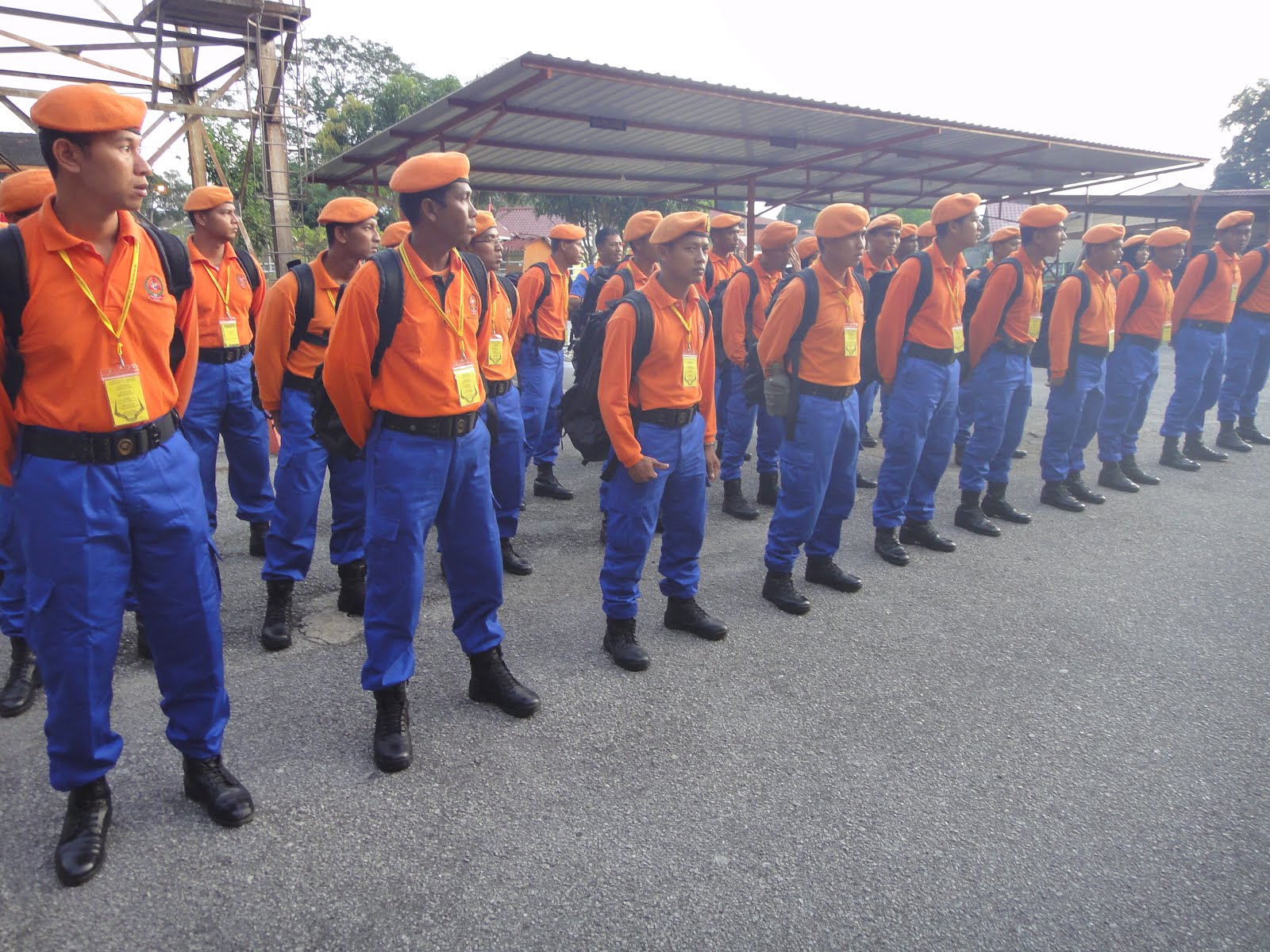
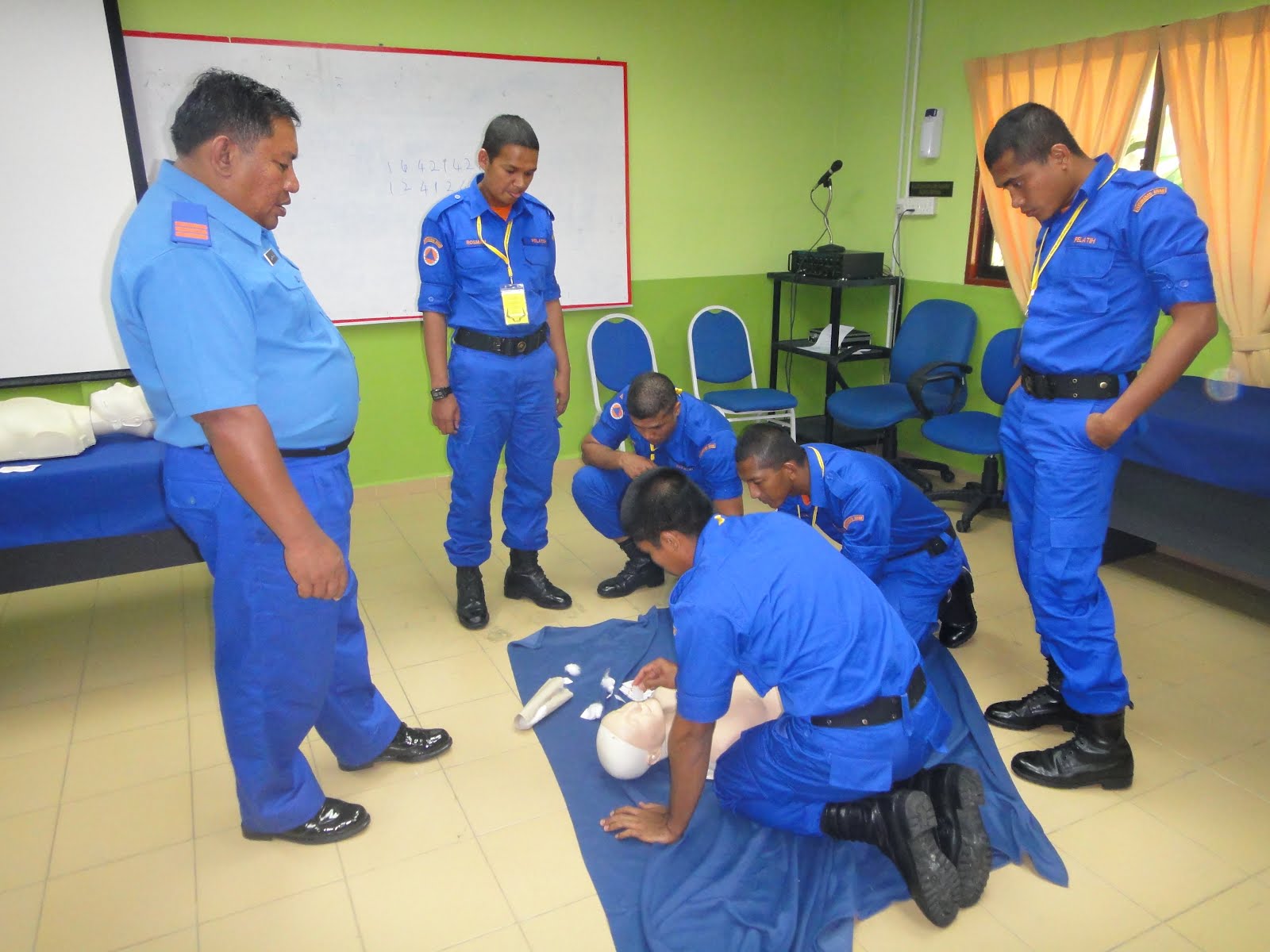
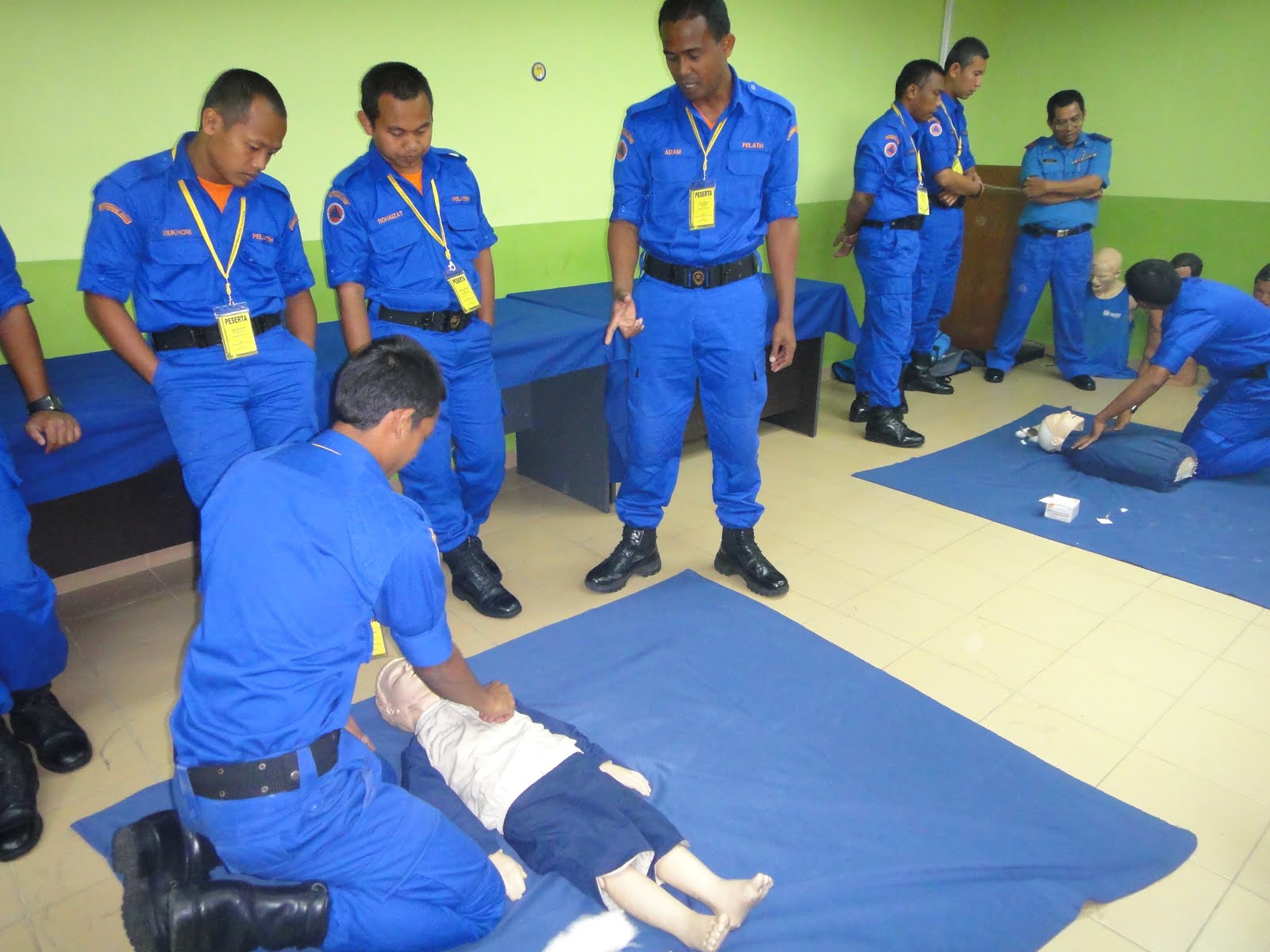
BLOG INI MEMAPARKAN AKTIVITI-AKTIVITI Malaysia Civil Defence (Mcdef) SEBAGAI TATAPAN KEPADA UMUM. BERTUJUAN UNTUK MENARIK LAGI RAMAI ORANG AWAM MENYERTAI SUKARELAWAN PERTAHANAN AWAM.TERIMA KASIH KERANA MELAWAT. Malaysian Civil Defence, a statutory service that acts as a backup to the full time emergency services.Within this website we hope to give you, the public, an insight into what we do.Thank you
Selasa, 13 Mac 2012
Sabtu, 10 Mac 2012
Jumaat, 9 Mac 2012
CIVIL DEFENCE DEPT TOLD TO ORGANISE PROGRAMMES TO ATTRACT MORE NON-MALAYS
BUTTERWORTH, Jan 31 (Bernama) -- Deputy Home Minister Datuk Wira Abu SemanYusop wants programmes to be carried out to get more non-Malays to join theCivil Defence Department as volunteers. He said the number of non-Malay volunteers in the department was still low. "This is voluntary work. Sometimes, there are constraints, like time or manystill do not know about the department. "Therefore, efforts have to be made to introduce the department and increasethe participation of the non-Malays," he told reporters after the presentationof civil defence medals here today. Currently, the department has 1,182 staff and 390,000 volunteers nationwide. However, only 194,000 of the volunteers are active. --
MORE CIVIL-PROGRAMME 2 (LAST) BUTTERWORTH Abu Seman said that in Penang, the total of Malay volunteers totalled14,087, compared with the Chinese at only 2,248 Chinese and Indian, 1,565people. He said efforts should also be carried out to educate the people on the needto maintain public order in the country. In another development, he hoped that the proposed amendments to the CivilDefence Act would be tabled at the Parliament sitting in March. He said the Civil Defence Act would be amended to fine-tune the dutiesand jurisdiction of the Civil Defence Department. --BERNAMA
Bernama Media – Tue, Jan 31, 2012 2:46 PM MYT
sumber : http://my.entertainment.yahoo.com/news/civil-defence-dept-told-organise-programmes-attract-more-064609052.html
MORE CIVIL-PROGRAMME 2 (LAST) BUTTERWORTH Abu Seman said that in Penang, the total of Malay volunteers totalled14,087, compared with the Chinese at only 2,248 Chinese and Indian, 1,565people. He said efforts should also be carried out to educate the people on the needto maintain public order in the country. In another development, he hoped that the proposed amendments to the CivilDefence Act would be tabled at the Parliament sitting in March. He said the Civil Defence Act would be amended to fine-tune the dutiesand jurisdiction of the Civil Defence Department. --BERNAMA
Bernama Media – Tue, Jan 31, 2012 2:46 PM MYT
sumber : http://my.entertainment.yahoo.com/news/civil-defence-dept-told-organise-programmes-attract-more-064609052.html
Malaysian Civil Defence Act to be amended
SEREMBAN:
The Civil Defence Act 1951 will be amended fine-tune the duties and jurisdiction of the home minister and the Civil Defence Department director-general besides the role of its members, said Deputy Home Minister Datuk Wira Abu Seman Yusop. He said the draft of the amendments would be reviewed by the Attorney-General's Chambers before being tabled to the Cabinet and presented in Parliament this year.
"The functions and role of the Civil Defence Department are becoming more challenging in protecting the public and property during disasters and chaos. "Every year, various changes were adopted by the department to improve efficiency and ensure the role and quality of its members are relevant to the current situation," he told reporters after the handing over 71 vehicles to the department and conferment of ranks to its personnel here, today.
The department has 397,000 members, 190,000 of them are well-trained to deal with crisis, emergency and national disasters, he said, adding that the ministry would continue to evaluate the needs to upgrade the department's logistics and equipment. Civil Defence Department director-general Datuk Sulaiman Keling was present. -- BERNAMA
Read more: Civil Defence Act to be amended - General - New Straits Times http://www.nst.com.my/local/general/civil-defence-act-to-be-amended-1.30267#ixzz1ocq7r5J1
The Civil Defence Act 1951 will be amended fine-tune the duties and jurisdiction of the home minister and the Civil Defence Department director-general besides the role of its members, said Deputy Home Minister Datuk Wira Abu Seman Yusop. He said the draft of the amendments would be reviewed by the Attorney-General's Chambers before being tabled to the Cabinet and presented in Parliament this year.
"The functions and role of the Civil Defence Department are becoming more challenging in protecting the public and property during disasters and chaos. "Every year, various changes were adopted by the department to improve efficiency and ensure the role and quality of its members are relevant to the current situation," he told reporters after the handing over 71 vehicles to the department and conferment of ranks to its personnel here, today.
The department has 397,000 members, 190,000 of them are well-trained to deal with crisis, emergency and national disasters, he said, adding that the ministry would continue to evaluate the needs to upgrade the department's logistics and equipment. Civil Defence Department director-general Datuk Sulaiman Keling was present. -- BERNAMA
Read more: Civil Defence Act to be amended - General - New Straits Times http://www.nst.com.my/local/general/civil-defence-act-to-be-amended-1.30267#ixzz1ocq7r5J1
Singapore- World War II
Even by late autumn 1941, most Singaporeans and their leaders remained
confident that their island fortress could withstand an attack, which they
assumed would come from the south and from the sea. Heavy fifteen-inch guns
defended the port and the city, and machine-gun bunkers lined the southern
coast.
The only local defense forces were the four battalions of Straits
Settlements Volunteer Corps and a small civil defense organization with units
trained as air raid wardens, fire fighters, medical personnel, and debris
removers. Singapore's Asians were not, by and large, recruited into these
organizations, mainly because the colonial government doubted their loyalty and
capability.
The government also went to great lengths to maintain public calm by
making highly optimistic pronouncements and heavily censoring the Singapore
newspapers for negative or alarming news. Journalists' reports to the outside
world were also carefully censored, and, in late 1941, reports to the British
cabinet from colonial officials were still unrealistically optimistic. If
Singaporeans were uneasy, they were reassured by the arrival at the naval base
of the battleship Prince of Wales, the battle and four destroyers
cruiser Repulse, on December 2.
The fast and modern Prince of
Wales was the pride of the British navy, and the Repulse was a
veteran cruiser. Their accompanying aircraft carrier had run aground en route,
however, leaving the warships without benefit of air cover.
sumber : http://countrystudies.us/singapore/7.htm
confident that their island fortress could withstand an attack, which they
assumed would come from the south and from the sea. Heavy fifteen-inch guns
defended the port and the city, and machine-gun bunkers lined the southern
coast.
The only local defense forces were the four battalions of Straits
Settlements Volunteer Corps and a small civil defense organization with units
trained as air raid wardens, fire fighters, medical personnel, and debris
removers. Singapore's Asians were not, by and large, recruited into these
organizations, mainly because the colonial government doubted their loyalty and
capability.
The government also went to great lengths to maintain public calm by
making highly optimistic pronouncements and heavily censoring the Singapore
newspapers for negative or alarming news. Journalists' reports to the outside
world were also carefully censored, and, in late 1941, reports to the British
cabinet from colonial officials were still unrealistically optimistic. If
Singaporeans were uneasy, they were reassured by the arrival at the naval base
of the battleship Prince of Wales, the battle and four destroyers
cruiser Repulse, on December 2.
The fast and modern Prince of
Wales was the pride of the British navy, and the Repulse was a
veteran cruiser. Their accompanying aircraft carrier had run aground en route,
however, leaving the warships without benefit of air cover.
sumber : http://countrystudies.us/singapore/7.htm
THE VOLUNTEER FORCES OF THE FEDERATED AND UNFEDERATED STATES OF MALAYA, AND THE STRAITS SETTLEMENTS: 1940- 1942 by AUDREY HOLMES MCCORMICK
VOLUNTEER FORCES OF THE FEDERATED AND UNFEDERATED STATES OF MALAYA, AND THE STRAITS SETTLEMENTS: 1940- 1942
SUMMARY
AUDREY HOLMES MCCORMICK
THE VOLUNTEER FORCES: These comprised multi-racial battalions organised on a military basis. The Volunteers were required to continue with their civilian duties. For most categories of British Europeans, Volunteer training and duty became compulsory within 18 - 41 age groups in July 1940 (via an Ordinance which was altered by the Governor Sir Shenton Thomas, from the original Colonial Office Ordinance CO 820 50/29 of June 1940) See below. Previously there was social pressure to join, and medical expenses offered, but travel from remote places could be a considerable problem.
THE LOCAL DEFENCE CORPS ( LDC ):
This was organised as a Home Guard from October 1940. A full time Commissioner with Deputy Commissioners, were appointed in Malaya in September 1940. The Corps was composed of European British over 41 years of age, also British subjects or citizens under British Protection aged 18-55 years, and was opened to British-linked non-Europeans from 31 March 1941. The Local Defence Corps were also available to support the State Volunteer Forces. Some Corps, e.g. Negri Sembilan, claimed more war action than their Volunteer Forces had. (CO820 67/5. Medal entitlement figures 3,125 LDC total, plus 450 for Singapore).
THE PASSIVE DEFENCE SERVICES:
These covered auxiliary civilian volunteer units such as the Fire Service, First Aid Posts, Air Raid Wardens, Ambulance Depots, Demolition and Burial Squads, Canteen Work, Switchboard Manning, Air Observer Corps, Coast Watchers and other vital war services. It included a Boy Scouts Civil Defence Organisation. Senior school pupils in Singapore were taught first aid assistance. (Lee Kip Lee). (CO 820 69/7:
Far East awards for Civilian Defence workers numbered 21,264 (and were named.) Air Raid Wardens were the majority; Medical Auxiliary Services second; Kuala Lumpur and Ipoh received over 4000 defence medals each. Penang 2,991; Johore 2,369; Seremban 1,734; Taiping 1,258; Kedah 1,143; Malacca 826; Kuantan 824; Kelantan 748; Raub 560.)
Sumber : http://www.malayanvolunteersgroup.org.uk/node/58
SUMMARY
AUDREY HOLMES MCCORMICK
THE VOLUNTEER FORCES: These comprised multi-racial battalions organised on a military basis. The Volunteers were required to continue with their civilian duties. For most categories of British Europeans, Volunteer training and duty became compulsory within 18 - 41 age groups in July 1940 (via an Ordinance which was altered by the Governor Sir Shenton Thomas, from the original Colonial Office Ordinance CO 820 50/29 of June 1940) See below. Previously there was social pressure to join, and medical expenses offered, but travel from remote places could be a considerable problem.
THE LOCAL DEFENCE CORPS ( LDC ):
This was organised as a Home Guard from October 1940. A full time Commissioner with Deputy Commissioners, were appointed in Malaya in September 1940. The Corps was composed of European British over 41 years of age, also British subjects or citizens under British Protection aged 18-55 years, and was opened to British-linked non-Europeans from 31 March 1941. The Local Defence Corps were also available to support the State Volunteer Forces. Some Corps, e.g. Negri Sembilan, claimed more war action than their Volunteer Forces had. (CO820 67/5. Medal entitlement figures 3,125 LDC total, plus 450 for Singapore).
THE PASSIVE DEFENCE SERVICES:
These covered auxiliary civilian volunteer units such as the Fire Service, First Aid Posts, Air Raid Wardens, Ambulance Depots, Demolition and Burial Squads, Canteen Work, Switchboard Manning, Air Observer Corps, Coast Watchers and other vital war services. It included a Boy Scouts Civil Defence Organisation. Senior school pupils in Singapore were taught first aid assistance. (Lee Kip Lee). (CO 820 69/7:
Far East awards for Civilian Defence workers numbered 21,264 (and were named.) Air Raid Wardens were the majority; Medical Auxiliary Services second; Kuala Lumpur and Ipoh received over 4000 defence medals each. Penang 2,991; Johore 2,369; Seremban 1,734; Taiping 1,258; Kedah 1,143; Malacca 826; Kuantan 824; Kelantan 748; Raub 560.)
Sumber : http://www.malayanvolunteersgroup.org.uk/node/58
Malaya semasa Perang Dunia Kedua
Malaya Civil Defence During World War II
http://www.britain-at-war.org.uk/WW2/London_Gazette/Malaya_Command/html/p1s10.htm
Sejarah Pertahanan Awam di Malaysia
Di atas kesedaran itu maka dalam tahun 1951 Ordinan Pertahanan Awam telah diluluskan dan dalam tahun 1952 sebuah Jabatan telah ditubuhkan bagi melaksanakan maksud ordinan tersebut. Jabatan tersebut telah diberi nama Jabatan Pertahanan Awam Malaysia.
Apabila negara mencapai kemerdekaan dalam tahun 1957, tanggungjawab Pertahanan Awam terletak di bawah bidangkuasa Kerajaan Persekutuan sebagaimana yang termaktub di dalam Jadual ke sembilan (9) Perlembagaan Malaysia. Berikutan daripada itu maka dalam tahun 1958 Pertahanan Awam menjadi sebagai salah satu unsur tetap Sistem Pertahanan Negara. Dalam tahun 1979, Ordinan Pertahanan Awam (1951) telah dipinda dengan menambah tanggungjawab memberi Khidmat Bantuan Bencana semasa aman sehinggalah ke hari ini.
Fungsi JPAM adalah
a) Melatih seramai mungkin rakyat yang mempunyai pengetahuan dalam aspek keselamatan dan pertahanan awam.Mengelola, menubuh, menyenggara, melengkapi, melatih dan mendisiplin angkatan dan perkhidmatan pertahanan awam.
b)Melakukan kerja bantuan bencana atau memberi perlindungan bagi menjamin keselamatan nyawa, orang atau harta benda penduduk awam sekiranya berlaku atau akan berlaku bencana serta memudahkan pemulihan mangsa selepas bencana tersebut.
Moto JPAM ialah "Sedia Pantas Berintegriti".
Mengikut Akta Pertahanan Awam 1951 (Akta 221) pertahanan awam mengikut keadaan yang terbahagi kepada dua keadaan iaitu samada keadaan peperangan atau keadaan peperangan :
Semasa peperanganBermaksud apa-apa jua langkah yang tidak melibatkan penggunaan senjata bagi menghadapi serangan permusuhan samada langkah itu diambil sebelum,semasa atau selepas masa serangan musuh.
Semasa amanBermaksud apa-apa jua langkah yang diambil bagi melindungi nyawa dan harta benda samada langkah itu diambil sebelum, semasa atau selepas sesuatu bencana.Berdasarkan Akta 221 tersebut dapat difahami bahawa Pertahanan Awam itu berfungsi dalam masa aman, masa peperangan dan mangsa bencana dengan mengambil apa-apa jua langkah bagi menyelamat, melindungi dan mengurangkan kehilangan nyawa serta kerosakan ke atas harta benda penduduk awam.
Sejarah JPAM terdiri daripada iaitu zaman sebelum dan selepas kemerdekaan. Pra MerdekaPada tahun 1939, Aktiviti Pertahanan Awam di Malaysia telah dimulakan oleh pihak British sebagai '"Passive Defence"' yang dibentuk di bawah Emergency Regulation Enactment Chapter 41 untuk mengadakan langkah–langkah bagi menghadapi Perang Dunia Kedua.
Kemudian pada tahun 1951, The Ordinan Pertahanan Awam 1951 (Civil Defence Ordinance 1951) digubal secara rasmi sebagai satu undang–undang dalam sistem keselamatan Tanah Melayu. Setahun kemudian, Jabatan Pertahanan Awam ditubuhkan pada 24 Mac secara rasmi bagi melaksanakan peruntukan Ordinan.
Apabila negara mencapai kemerdekaan dalam tahun 1957, tanggungjawab Pertahanan Awam terletak di bawah bidangkuasa Kerajaan Persekutuan sebagaimana yang termaktub di dalam Jadual ke sembilan (9) Perlembagaan Malaysia. Berikutan daripada itu maka dalam tahun 1958 Pertahanan Awam menjadi sebagai salah satu unsur tetap Sistem Pertahanan Negara. Dalam tahun 1979, Ordinan Pertahanan Awam (1951) telah dipinda dengan menambah tanggungjawab memberi Khidmat Bantuan Bencana semasa aman sehinggalah ke hari ini.
Fungsi JPAM adalah
a) Melatih seramai mungkin rakyat yang mempunyai pengetahuan dalam aspek keselamatan dan pertahanan awam.Mengelola, menubuh, menyenggara, melengkapi, melatih dan mendisiplin angkatan dan perkhidmatan pertahanan awam.
b)Melakukan kerja bantuan bencana atau memberi perlindungan bagi menjamin keselamatan nyawa, orang atau harta benda penduduk awam sekiranya berlaku atau akan berlaku bencana serta memudahkan pemulihan mangsa selepas bencana tersebut.
Moto JPAM ialah "Sedia Pantas Berintegriti".
Mengikut Akta Pertahanan Awam 1951 (Akta 221) pertahanan awam mengikut keadaan yang terbahagi kepada dua keadaan iaitu samada keadaan peperangan atau keadaan peperangan :
Semasa peperanganBermaksud apa-apa jua langkah yang tidak melibatkan penggunaan senjata bagi menghadapi serangan permusuhan samada langkah itu diambil sebelum,semasa atau selepas masa serangan musuh.
Semasa amanBermaksud apa-apa jua langkah yang diambil bagi melindungi nyawa dan harta benda samada langkah itu diambil sebelum, semasa atau selepas sesuatu bencana.Berdasarkan Akta 221 tersebut dapat difahami bahawa Pertahanan Awam itu berfungsi dalam masa aman, masa peperangan dan mangsa bencana dengan mengambil apa-apa jua langkah bagi menyelamat, melindungi dan mengurangkan kehilangan nyawa serta kerosakan ke atas harta benda penduduk awam.
Sejarah JPAM terdiri daripada iaitu zaman sebelum dan selepas kemerdekaan. Pra MerdekaPada tahun 1939, Aktiviti Pertahanan Awam di Malaysia telah dimulakan oleh pihak British sebagai '"Passive Defence"' yang dibentuk di bawah Emergency Regulation Enactment Chapter 41 untuk mengadakan langkah–langkah bagi menghadapi Perang Dunia Kedua.
Kemudian pada tahun 1951, The Ordinan Pertahanan Awam 1951 (Civil Defence Ordinance 1951) digubal secara rasmi sebagai satu undang–undang dalam sistem keselamatan Tanah Melayu. Setahun kemudian, Jabatan Pertahanan Awam ditubuhkan pada 24 Mac secara rasmi bagi melaksanakan peruntukan Ordinan.
Langgan:
Catatan (Atom)